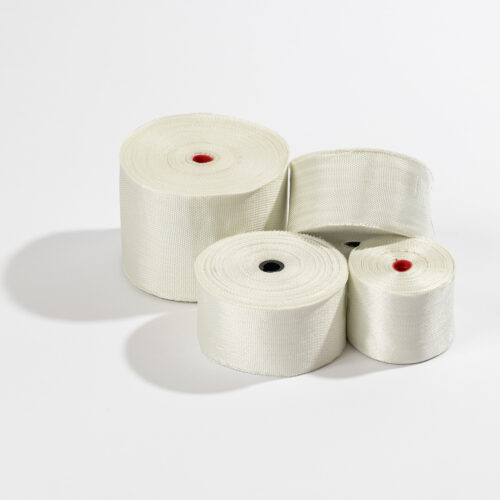
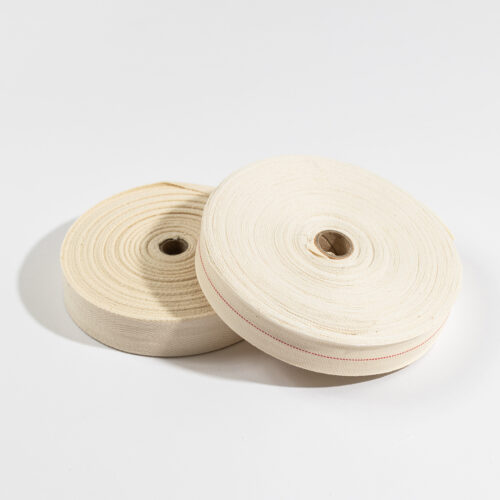
Thermosetting acrylic
CGSTAPE-6458T is the acrylic option. Evaluate it when the assembly specifies a thermosetting acrylic glass cloth tape, including the required varnish, resin or solvent exposure.

CGS thermosetting glass cloth tape combines woven fiberglass backing with a choice of thermosetting acrylic or thermosetting rubber adhesive. Both grades use 5 mil glass cloth backing. Select the adhesive to match your assembly specification and curing process.
CGSTAPE-6458T is the acrylic option. Evaluate it when the assembly specifies a thermosetting acrylic glass cloth tape, including the required varnish, resin or solvent exposure.
CGSTAPE-6358T is the rubber option. Evaluate it when the assembly specifies thermosetting rubber glass cloth tape for wrapping, holding or banding.
| CGS part number | Backing | Backing thickness | Adhesive |
|---|---|---|---|
| CGSTAPE-6458T | Woven glass cloth | 5 mil (0.127 mm) | Thermosetting acrylic |
| CGSTAPE-6358T | Woven glass cloth | 5 mil (0.127 mm) | Thermosetting rubber |
Backing thickness excludes adhesive. Request the selected grade’s technical data for total tape thickness, service temperature, electrical properties and curing conditions. Ratings for CGSTAPE-6458 and 6358 do not automatically apply to their T versions.
Match the adhesive, finished thickness and thermal exposure to your assembly. Include any required electrical insulation approval or existing tape specification.
Applications to evaluate against the selected grade and your assembly specification:
Consider glass cloth tape for coil outer wraps and protective wrapping where the build specifies a thermosetting adhesive.
Evaluate for lead holding, end-turn wrapping and banding, with electrical and thermal requirements checked for the complete insulation system.
Review compatibility with the actual varnish, resin, cleaning chemicals and cure cycle used in production.
Use these references to start a technical comparison. They identify related adhesive families and applications; they do not establish a tested or approved equivalent.
| CGS grade to evaluate | 3M reference | IPG / Intertape reference | Nitto reference |
|---|---|---|---|
| CGSTAPE-6358T Thermosetting rubber |
27 — thermosetting rubber | 4616 — thermosetting rubber | No current rubber grade verified |
| CGSTAPE-6458T Thermosetting acrylic |
79 — acrylic | 4617 — thermosetting acrylic | P-213LW — acrylic; confirm curing requirements |
Compare backing and total thickness, adhesion, dielectric test results, temperature and exposure time, cure conditions, varnish compatibility and required approvals before substitution. Nitto identifies P-213LW as a comparison to its discontinued P-213; use the current grade for a new evaluation.
For silicone grades, see the full glass cloth tape cross-reference guide. Brand names identify reference products only and do not imply affiliation or shared certification.
Material guidance
T identifies the thermosetting adhesive version: CGSTAPE-6458T is thermosetting acrylic and CGSTAPE-6358T is thermosetting rubber. Specify the complete part number when ordering.
No. For these grades, 5 mil describes the woven glass cloth backing. The finished tape also includes the adhesive; request the selected grade’s total thickness.
Use the grade-specific curing instructions and the approved process for your assembly. A service-temperature rating is not a cure schedule, and the acrylic and rubber grades should not be assumed to use the same schedule.
The cross-reference table identifies products for comparison. Confirm construction, cure behaviour, electrical performance and any required approvals, then validate the tape in the actual assembly before changing an approved material.
Choose a tape specifically suited to the exposure and removal requirements. Thermosetting grades should not be assumed to remove cleanly after curing; share the substrate, process temperature and required removal time.